
The “cheapest store” changes with the item. A warehouse club can win by a mile on toilet paper, then cost you more on strawberries if half the carton spoils before you eat it.
The smarter question is not “Where should I shop?” It is “Where should I buy this category for the way my household actually uses it?” Price per unit matters, but so do freshness, storage space, variety, and waste.
These are practical starting points, not promises that one chain is always cheapest. Prices and promotions change by location and week, and Walmart, Target, Aldi, or a local grocery sale can beat a club on a specific item. Compare the same size, quality, and unit before you buy.
Paper products
Toilet paper and paper towels are often strong wholesale-club buys because the bulk package can bring down the cost per sheet and these items will not spoil in the closet.
But do not assume the club always wins. Walmart can be cheaper for a particular brand, pack, or promotion. One published price-per-square-foot comparison placed some Walmart packs below some Sam’s Club packs while other club options still led the list—a good reminder to compare the exact product in front of you.
Make sure the sheet count, ply, and roll size match. “Mega,” “double,” and “family” rolls can make two packages look alike when they are not. Membership fees and online-versus-store pricing can also change the real winner.
Best move: compare cost per 100 sheets or per square foot across your club and Walmart before stocking up.
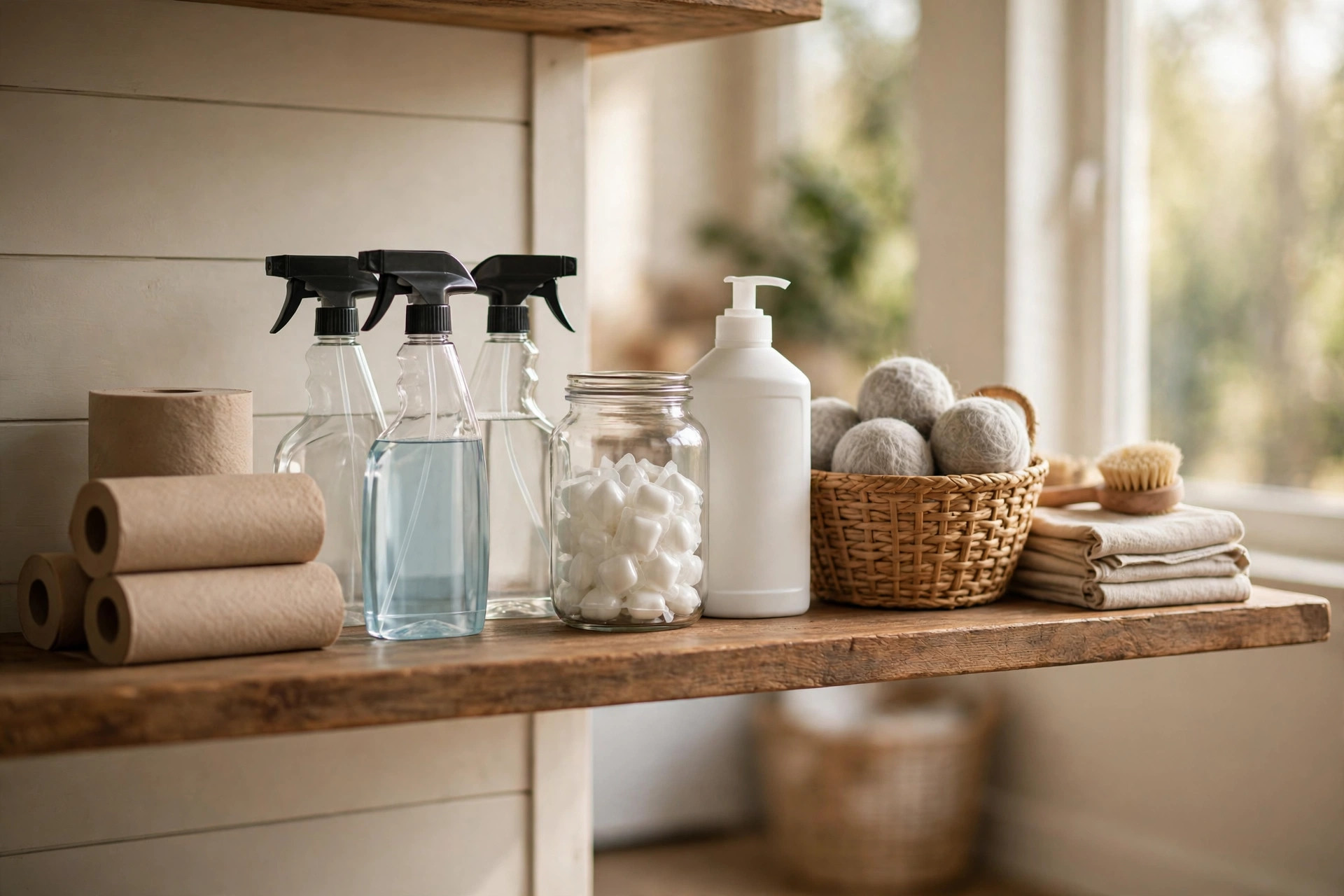
Cleaning supplies
For everyday basics—dish soap, laundry detergent, trash bags, and disinfecting wipes—wholesale clubs often win on the unit price.
Target and Walmart can pull ahead when a brand-name product goes on sale or a store promotion rewards buying two or three. Compare the final unit price instead of assuming the biggest bottle is cheapest.
Best move: keep your basics at the club, then switch only when a real sale beats your usual per-ounce cost.
Produce
A good local grocery store often wins on freshness, selection, and portion control. At a store such as Wegmans, you can buy the exact number of apples, onions, or peppers you need instead of committing to a bulk bag.
That flexibility matters because food waste erases savings quickly. A smaller amount that gets eaten is cheaper than a warehouse tray that gets tossed.
Best for: choosing ripe produce and buying to match this week’s meals.
Meat
Wholesale clubs can be strong for family packs of chicken, ground beef, pork chops, and other staples—especially if you portion and freeze them as soon as you get home.
Still, the club is not automatically cheapest. A local grocery promotion or manager’s markdown can beat the club price per pound, and a butcher or trusted grocery counter may offer better value when you want a premium cut or only enough for one dinner.
Best move: compare the price per pound and any trimming or bone you are paying for. Buy bulk only when the number is lower and your freezer and meal plan are ready for it.
Pantry staples
Rice, pasta, canned goods, oats, and other shelf-stable basics are natural bulk buys. Wholesale clubs can deliver a low per-pound or per-can price when your household uses the same staples regularly.
Aldi is especially handy when you want the low price without the giant package. Its smaller sizes also make more sense for narrow pantries and households that like variety.
Best move: club sizes for your repeats; Aldi sizes for everything else.
Dairy and eggs
Large households can move through warehouse quantities of milk, eggs, butter, yogurt, and cheese before they spoil, making the lower unit price worthwhile.
Smaller households are usually better served by grocery-store packages. Paying a little more per ounce can still cost less overall when you finish everything you buy.
Best move: let your real weekly use—not the shelf tag—choose the package size.
Spices
That oversized jar of paprika looks inexpensive by the ounce, but ground spices lose their punch over time. Unless you cook with one spice constantly, a small jar is the better value because you are more likely to use it while the flavor is still lively.
Buy only what fits the recipes you actually make. Fresh flavor is worth more than a half-full bulk container that has gone dusty.
Best for: small grocery-store jars, with bulk reserved for true everyday favorites.
Personal care
Wholesale clubs are a good home for the shampoo, soap, toothpaste, and deodorant your household buys on repeat. Multipacks keep the unit price low and save emergency runs.
Drugstores are worth watching when you want a specific brand, scent, or formula. Their rotating sales can beat the club price, especially when the promotion fits exactly what you use.
Best move: stock up on proven staples; wait for a drugstore sale when choice matters.
Batteries and light bulbs
These are useful, long-lasting items where a multipack makes sense. Wholesale clubs tend to win on the price per battery or bulb, and the extras are easy to store.
Check the battery size, bulb base, brightness, and color temperature before buying the large pack. A low unit price cannot rescue the wrong fit.
Best for: keeping the sizes and bulb types your home uses most on hand.
Quick-reference shopping map
Use this as your starting point, then compare the package size and unit price in front of you.
| Category | Start here | Why |
|---|---|---|
| Paper products | Compare Costco, Sam’s Club, and Walmart | Clubs often lead, but Walmart can beat them on a particular pack or promotion. |
| Cleaning supplies | Clubs for basics; Target or Walmart sales | Club unit prices are steady, while brand promotions can sometimes beat them. |
| Produce | Local grocery store such as Wegmans | Freshness, selection, and exact quantities reduce waste. |
| Meat | Compare club family packs with local grocery sales | Clubs can win in bulk, while local promotions or markdowns can be lower. |
| Pantry staples | Wholesale clubs or Aldi | Low unit prices in either bulk or sensible smaller packages. |
| Dairy and eggs | Clubs for large families; grocery stores for smaller homes | The right package size prevents spoilage. |
| Spices | Small grocery-store jars | Small amounts stay flavorful before they go stale. |
| Personal care | Clubs for staples; drugstore sales for variety | Multipack value for repeats, promotional choice for specifics. |
| Batteries and bulbs | Costco or Sam’s Club | Strong per-unit value on items that store well. |
The bottom line: there is no single winning store for the whole house. Build a small routine around the categories: bulk where it will be used, local where freshness matters, and small packages where waste is the real budget buster.
🐦 Share on X← Back to all articles